
Welcome to Fukuchi Laboratory
This is the page of Fukuchi Laboratory of Department of Frontier Media Science, School of Interdisciplinary Mathematical Sciences, Meiji University.
Our laboratory researches and develops fundamental technologies for interactive media that support multisensory playful experiences that promote health and well-being.
We explore how we use media to understand our world, communicate with others, and improve our lives. For example, we use tools to gather information about our surroundings, create visuals to share our experiences, and move our bodies in ways that benefit our health and happiness.
Recent News
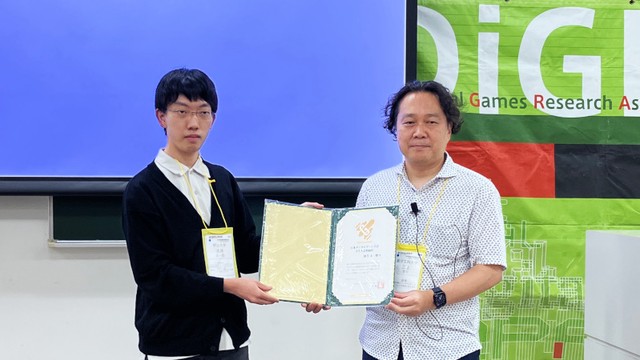
One Presentation at DiGRA JAPAN 2026 Summer Conference Wins Student Conference Award
The oral presentation “Evaluating Imperceptible Control Assistance for Joystick Input” by Taichiro Yui et al. received the …
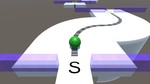
Three Presentations at the DiGRA JAPAN 2026 Summer Conference
Fukuchi Lab will give three research presentations at the 2026 Summer Conference of the Digital Games Research Association JAPAN, held …

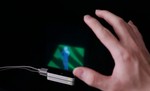
One Demo Presentation at AVI 2026
Our lab gave one demo presentation at the international conference AVI 2026, held June 8–12, 2026.
Paper by Aoi Matsuura Published in "Computer Software" Vol. 43(2)
A paper by Aoi Matsuura, an alumna of our laboratory, has been published in Computer Software Vol. 43(2), the journal of the Japan …
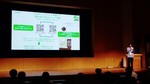
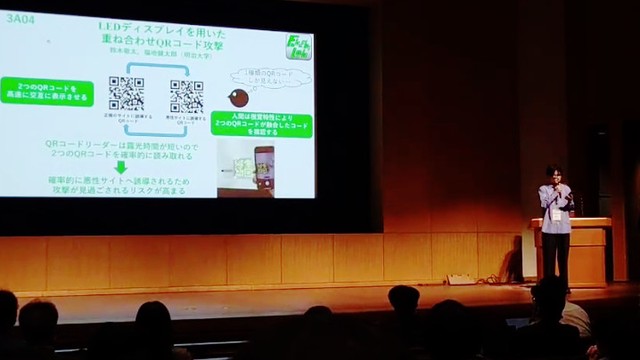
One Presentation at INTERACTION 2026 Wins Interactive Presentation Award
The demo presentation “Superimposed QR Code Attack Using LED Displays” by Keita Suzuki et al. received the Interactive …
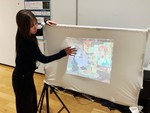
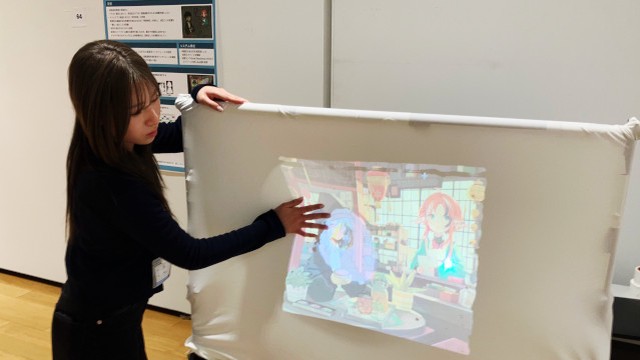
Presentation at Expressive Japan 2026 Wins Excellence Award
The poster presentation “An Interface for Browsing Region-Based Digital Drawing Processes Using a Deformable Screen” by …
Recent Projects
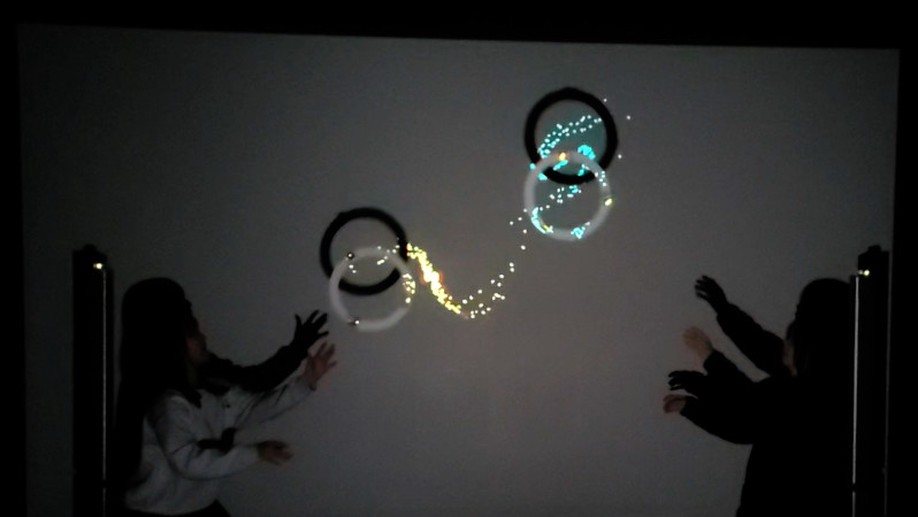
Tracking and Visual Effect Generation for Juggling Rings
We developed a system that recognizes the position and rotation speed of juggling rings and projects corresponding visual effects. This research supports the development of new performances that incorporate ring rotation, which has previously been difficult for audiences to notice.
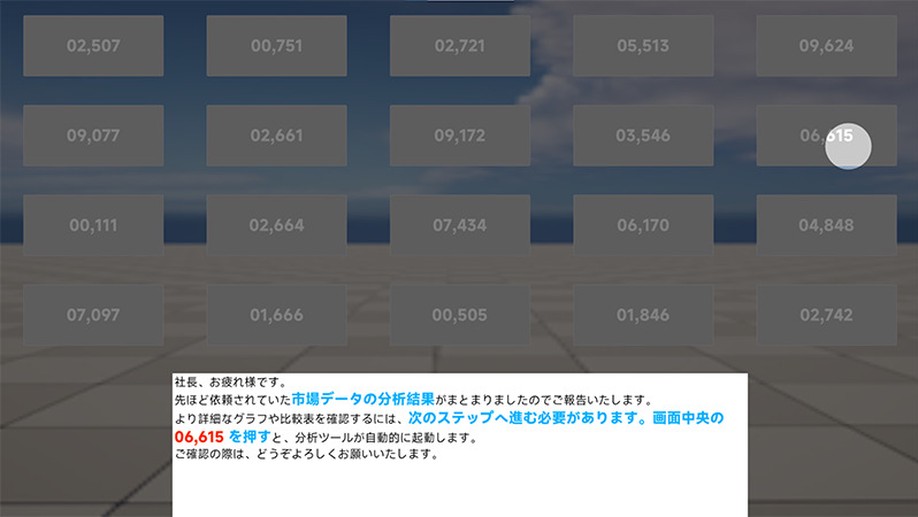
Effective Information Presentation in Game Tutorials
We investigated how different presentation methods and timings affect players’ gaze behavior in game tutorials. Results suggest that presentation “timing” has a greater impact on attention allocation than presentation “intensity”.
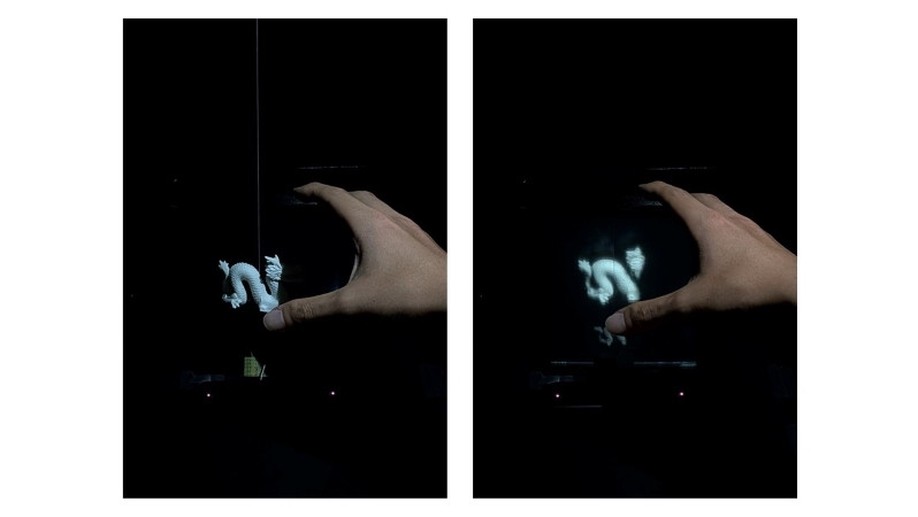
Aerial Stereoscopic Images Reflecting the Real Optical Environment
We propose a method to enhance the realism of aerial images by applying shading that reflects the real optical environment to an aerial stereoscopic display that presents 3D CG in mid-air using AIRR and a stereoscopic display.
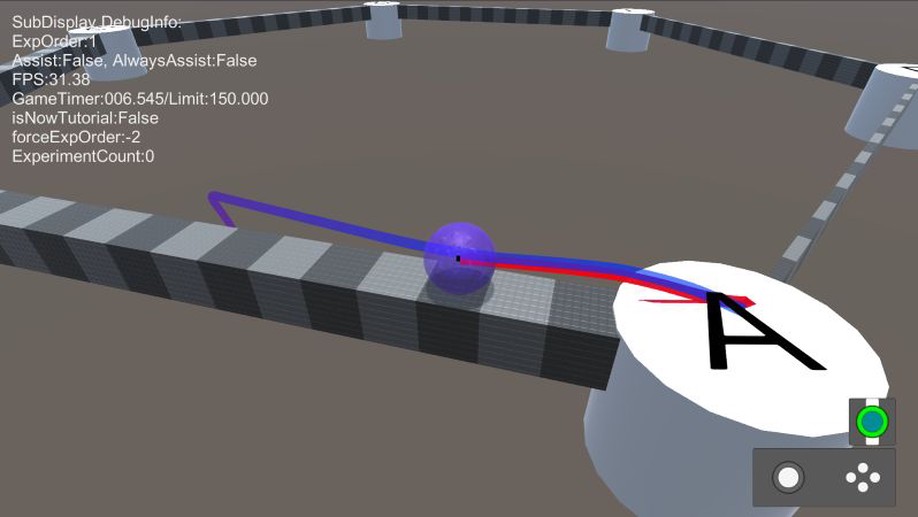
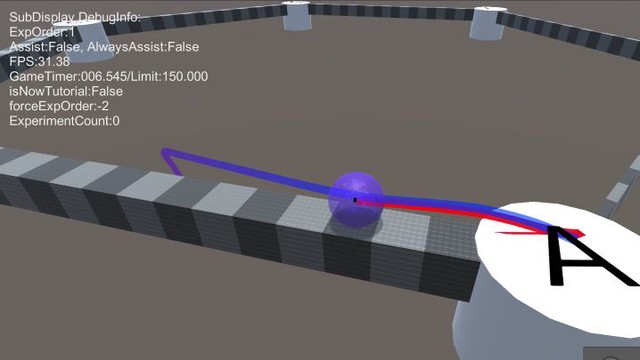
Imperceptible Assist
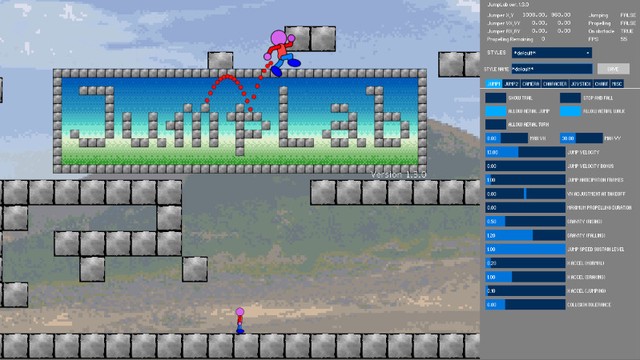
Developed an assistive technique that imperceptibly supports player operations and experimentally evaluated its effectiveness and imperceptibility.
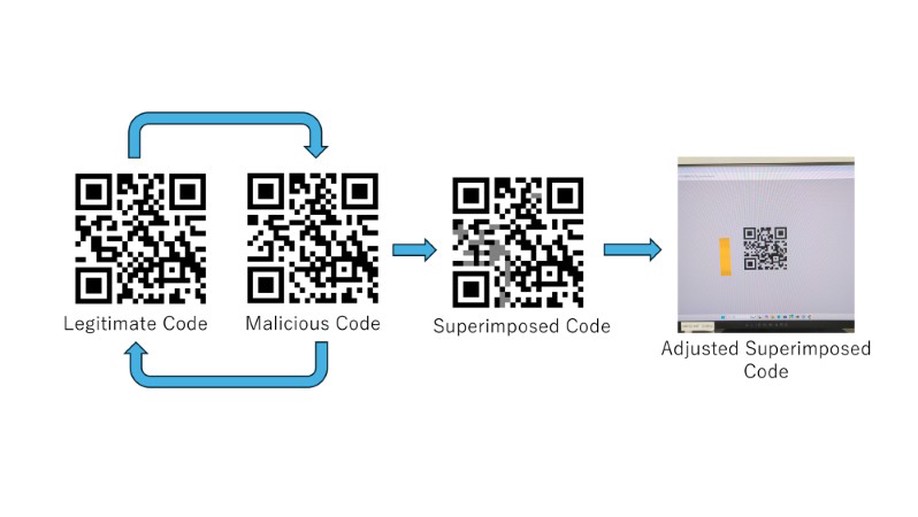
Superimposed QR Code Attack Using High-Refresh-Rate Displays
We propose a novel attack method that exploits high-refresh-rate displays to deliver disguised QR codes. By rapidly alternating between two QR codes at 120 Hz or higher, the two appear to the human eye as a single static code, while a camera scanning the display will probabilistically read one of the two versions.
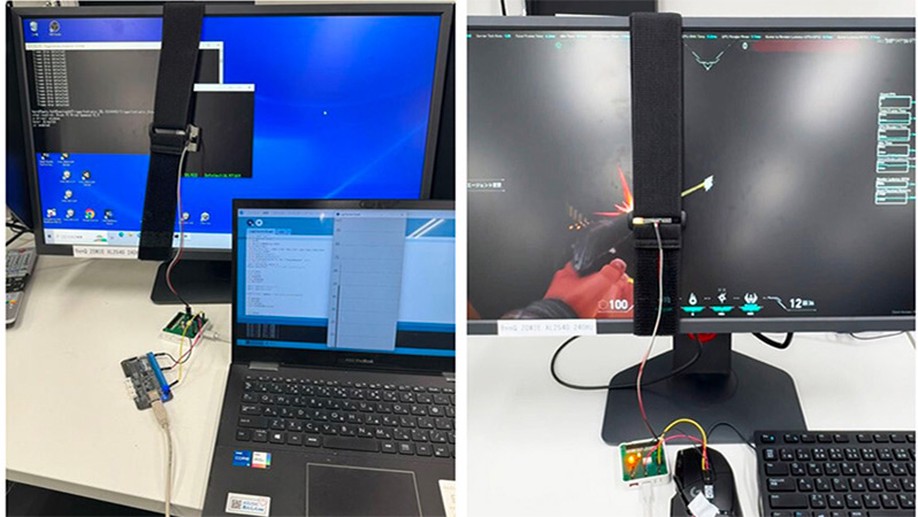
Input/Output Delay Evaluation Tool for Experimental Systems
Research investigating delay measurement in computer input/output environments and the impact of delays that should be considered when designing experimental systems, aiming to improve the accuracy of HCI research and cognitive science experiments.
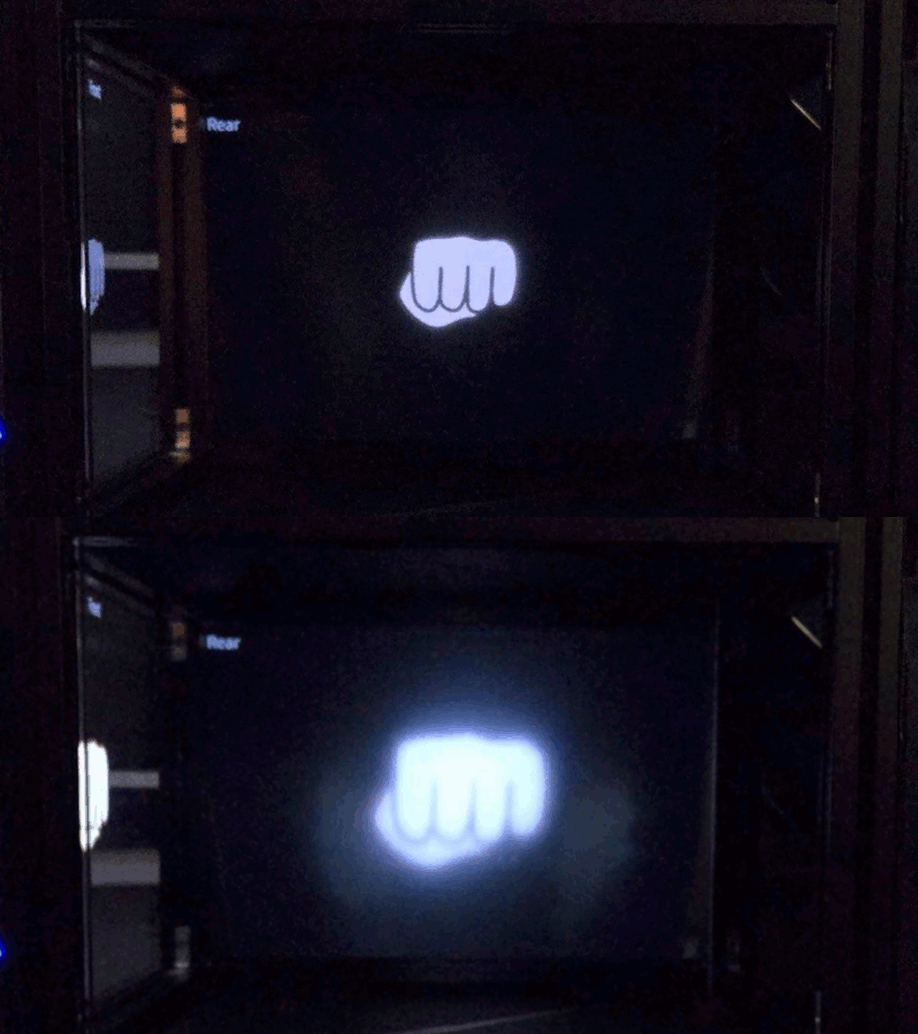
AIRR + DFD
We developed a method to display aerial images with a pseudo sense of depth for stage performances using AIRR and DFD technologies. This creates the illusion that images are moving from the back of the stage toward the front.
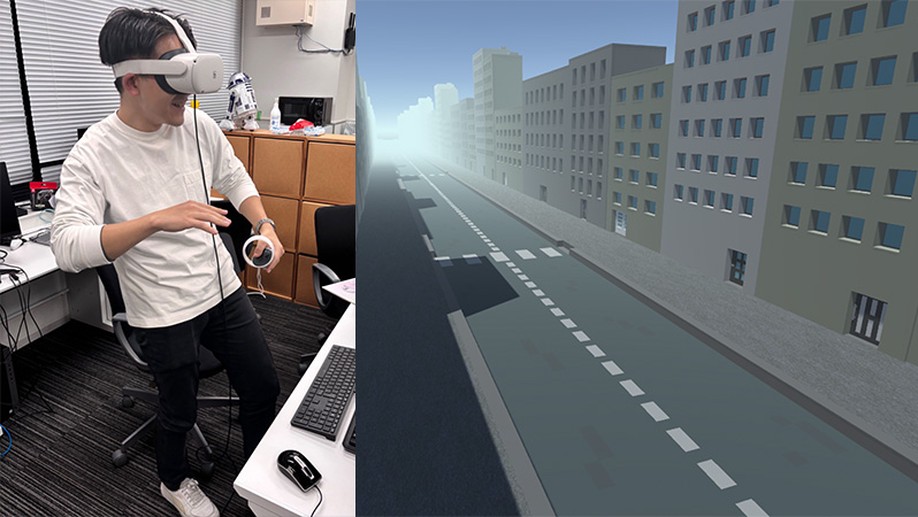
Groovy Walking
We proposed and evaluated a system that aims to reduce VR sickness by using rhythmic head movements as walking input in a VR environment with a head-mounted display.
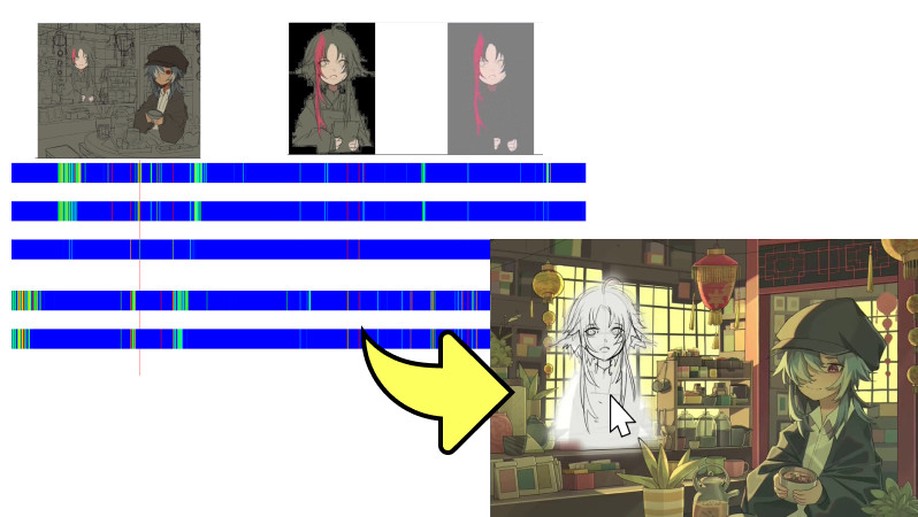
Prochronism of Drawing
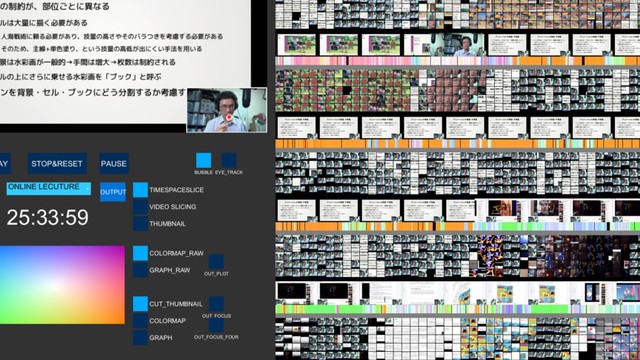
A system that displays parallel timelines for each region in digital illustration timelapse videos, supporting efficient understanding of the drawing process.